Tired of Missing Important Calls During Weekend Chaos? This Voice Tool Keeps Me Connected Without the Stress
We’ve all been there—deep in a weekend family brunch, chasing kids at the park, or finally catching up on chores—only to realize we missed a crucial call from a parent, a doctor, or a friend in need. The guilt, the worry, the hassle of calling back later. It’s not just about picking up; it’s about staying emotionally present while life swirls around us. This past month, I discovered a voice calling feature that didn’t just ring—it responded for me, intelligently and kindly—and changed how I experience weekends.
The Weekend Call Dilemma: When Life Gets in the Way
Weekends are supposed to be for recharging, right? For slow mornings with coffee, laughter at the breakfast table, and time to breathe. But if you’re anything like me, they often feel more like a race against the clock. Between school drop-offs, grocery runs, laundry piles, and trying to squeeze in a walk with a friend, the hours vanish. And right in the middle of it all—ring! Your phone lights up with a call you can’t ignore, but also can’t answer.
I remember one Saturday morning vividly. I was in the middle of helping my daughter with a science project, glue sticks and cardboard everywhere, when my mom’s name popped up. I knew I should answer—she doesn’t call often, and when she does, it’s usually something important. But I was elbow-deep in glitter and construction paper, and my hands were sticky. I let it go to voicemail. Later, I listened: she just wanted to tell me about her doctor’s appointment. Nothing urgent, but I still felt a pang of guilt. I could’ve answered. I should’ve answered.
That moment stuck with me. It wasn’t the first time I’d missed a call that mattered. There was the time my sister called during a birthday party for my nephew—music blasting, kids screaming—and I didn’t even hear the phone. Or when a close friend texted later, “I tried calling. Everything okay?” That small question carried so much: concern, maybe even a little worry that I was pulling away.
Here’s the truth: we want to be there for the people we love. But the reality is, we’re also trying to be present for our families, our homes, and ourselves. The pressure to be constantly available—to always pick up—can be exhausting. And yet, silence can feel like neglect. So what if there was a way to stay connected without being tied to your phone? What if your phone could speak for you—gently, thoughtfully—when you couldn’t?
Discovering Smarter Voice Responses: More Than Just an Answer
It started with a notification. Just a little pop-up while I was scrolling through my phone one evening: “New feature available: Smart Voice Response.” I almost swiped it away like I do with most updates. But something made me pause. Maybe it was the timing—just after another missed call from my cousin who lives overseas. Maybe it was the word “smart.” I tapped it.
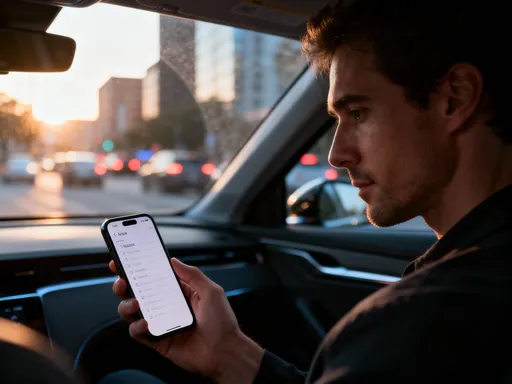
What I found wasn’t some robotic answering machine from the 90s. This was different. It was a feature that lets your phone answer calls on your behalf—but not with a cold, “I’m unavailable.” Instead, it uses your voice, or a voice that sounds like you, to deliver warm, personalized messages. You can set it to say things like, “She’s with her family right now, but she’ll call you back tonight,” or “She’s driving, but she’ll get back to you soon.” And the best part? It sounds natural. Not robotic. Not rushed. Just… kind.
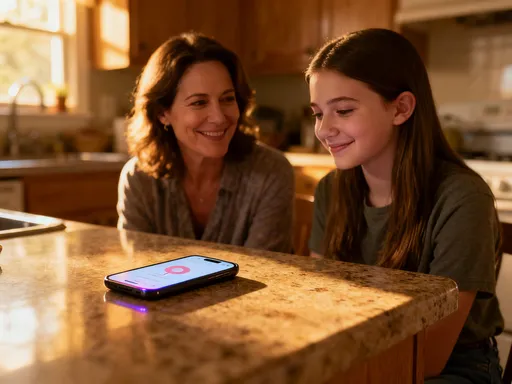
I remember the first time I tested it. I was in the kitchen, prepping dinner, when my brother called. I didn’t answer, but within seconds, I heard my own voice—well, a version of it—coming through the speaker: “She’s cooking dinner with the kids, but she’ll call you back after cleanup.” My daughter looked up and said, “Mom, that sounded just like you!” I laughed, but inside, I felt a wave of relief. He didn’t hear silence. He didn’t hear a beep. He heard care.
That moment changed everything. It wasn’t about avoiding calls. It was about honoring them. By letting the person on the other end know I was busy but still attentive, I preserved the connection. No more guessing. No more worry. Just peace of mind—for both of us.
How It Works: Seamless, Human-Sounding, and Private
You might be wondering: how does this actually work? Is it magic? Is it complicated? The answer is no—and no. It’s actually surprisingly simple. The technology uses something called adaptive voice modeling, which sounds fancy, but it’s really just a way for your phone to learn how you speak. It picks up on your tone, your pace, even the little phrases you use—like “Hey, it’s me” or “I’ll call you right back.”
When you set it up, you choose whether you want to use your own recorded voice or pick from a few natural-sounding voice options. I went with my own voice—it felt more personal. Then, you create a few custom responses. For example, I have one for family: “She’s spending time with the kids, but she’ll call you later.” I have another for friends: “She’s busy this afternoon, but she’ll reach out soon.” And one for work: “She’s not taking calls today, but she’ll respond to messages on Monday.”
The system knows who’s calling and responds accordingly. If it’s my mom, it uses the family message. If it’s my hairstylist, it uses a more casual tone. You can even set time-based rules—like “only activate during dinner hours” or “turn on during school events.” And the best part? Your privacy is protected. The calls aren’t recorded. The messages aren’t stored. Everything is encrypted, so no one else can access your conversations. It’s not about surveillance—it’s about safety.
What I love most is that it doesn’t block calls. It acknowledges them. That’s a big difference. Silence can feel like rejection. But a warm, thoughtful response says, “I see you. I hear you. I care.” And that makes all the difference in a relationship.
Real-Life Moments That Changed: From Panic to Peace
Since I started using this feature, my relationship with my phone has completely shifted. I used to feel anxious every time it rang—like I was being pulled in two directions. Now, I feel calm. I know that even when I can’t answer, the right message will be delivered.
One of the most meaningful moments happened just last weekend. I was at my son’s soccer game, standing on the sidelines with other parents, cheering and clapping. My phone buzzed—my best friend from college was calling. I couldn’t step away, but I didn’t worry. A few seconds later, I heard my voice say softly, “She’s at her son’s game, but she’ll call you after.” Later, she texted: “I loved your new voicemail! It made me smile. I could picture you there, cheering him on.”
That message meant more than just a reply. It carried context. It carried warmth. It carried life. She didn’t just hear that I was busy—she heard what I was doing. And that made her feel included, not shut out.
Another time, my neighbor called while I was in the middle of a yoga session at home. I’ve been trying to carve out more time for myself, and those 30 minutes are sacred. In the past, I would’ve cut it short or felt guilty for ignoring her. But this time, the phone answered with, “She’s taking some quiet time, but she’ll call you back soon.” When I called her later, she said, “Don’t worry—I heard your message. I’m glad you’re taking care of yourself.”
Can you believe that? My phone helped me set a boundary—and she respected it. Not because I said no, but because I said, “Not right now, but soon.” That small shift in tone made all the difference.
Building Emotional Availability Without Burnout
We often confuse being available with being emotionally present. But the truth is, you can’t pour from an empty cup. The more I tried to answer every call, the more drained I felt. I was physically there, but mentally scattered. I’d be talking to my daughter while glancing at my phone, wondering who called. That’s not presence—that’s stress.
This tool helped me reclaim my attention. By setting up smart responses, I no longer have to choose between being with my family and staying connected to the outside world. I can be fully here—laughing at my son’s jokes, helping my daughter with homework—without the nagging fear that I’m missing something important.
And here’s the surprising part: since I started using it, I’ve actually become *more* available. Because I’m not overwhelmed, I have the mental space to make thoughtful calls. I call my sister just to check in. I call my mom after the kids are in bed. I call friends when I have a free moment, not because I’m scrambling to make up for a missed connection.
It’s like the tool gave me permission to breathe. And in that space, I found more room for love, for care, for real conversation. It didn’t replace my voice—it amplified it. I’m still the one calling back. I’m still the one listening. But now, I do it from a place of calm, not chaos.
Simple Setup, Lasting Impact: How You Can Start Today
If you’re thinking, “This sounds great, but I’m not tech-savvy,” I hear you. I felt the same way. But setting this up took me less than five minutes. Here’s how I did it: I opened my phone’s calling app, went to settings, and tapped “Smart Voice Response.” Then, I recorded a short message using my own voice—just saying, “Hi, this is Sarah. I can’t talk right now, but I’ll call you back soon.”
Next, I picked a few contacts—my parents, my sister, my best friend—and set the auto-response to trigger only for them. For everyone else, it goes to regular voicemail. You can also set it by time—like weekends or evenings—so it only activates when you need it.
My advice? Start small. Pick one scenario that stresses you out—like work calls during family time—and set up one response. See how it feels. You can always adjust. Maybe you want a fun message for your kids’ teachers. Maybe you want a gentle one for your aging parents. The key is to make it feel like *you*. This isn’t about automation—it’s about personalization.
And don’t worry about getting it perfect. I changed my message three times before I found one that felt right. That’s okay. It’s your voice. Your life. Your rules.
Rethinking Connection: Technology That Serves Real Life
In a world that never stops buzzing, we’ve been taught to respond instantly—to always be “on.” But real connection isn’t about speed. It’s about intention. It’s about showing up in ways that matter, even when you’re not physically available.
This small feature didn’t just change how I handle calls. It changed how I think about technology. It’s not here to distract us or demand our attention. It’s here to support us—to help us live fuller, calmer, more connected lives. When used with care, technology can be a quiet ally, working in the background so we can focus on what’s in front of us.
I used to feel guilty for missing calls. Now, I feel proud of how I manage them. I’m not ignoring anyone. I’m honoring my time, my family, and my peace—while still showing up for the people I love. That’s the kind of balance I’ve been searching for.
So if you’re tired of the weekend call panic, if you’re ready to stop choosing between being present and being reachable, I encourage you to explore this feature. It won’t solve every challenge, but it might just give you the breathing room you’ve been missing. And in that space, you might find something even more valuable: the chance to be truly, fully, yourself.