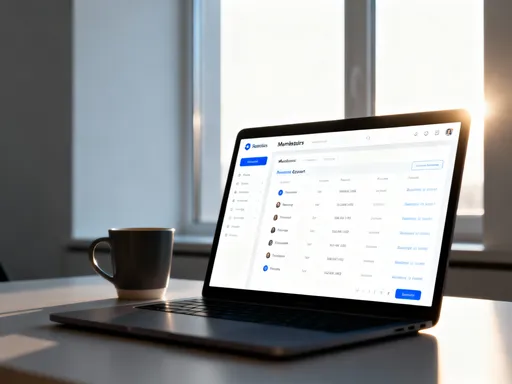
Tired of losing track of your memberships? Here’s how I keep mine secure and simple
You’re not alone if you’ve ever forgotten a free trial expiration, missed a loyalty point, or worried about your personal data being exposed through a subscription service. Managing memberships can feel overwhelming — and risky. I used to juggle dozens of accounts until I found a smarter, safer way. In this guide, I’ll walk you through simple, reliable steps to take control of your digital memberships without the stress. It’s not about becoming a tech expert. It’s about making your digital life work for you — quietly, safely, and without constant reminders piling up in your inbox. This is something every busy woman deserves: peace of mind, time back, and a little more confidence in how she handles her world.
The Hidden Chaos Behind Free Trials and Loyalty Programs
Let’s be honest — we all love a good deal. That free month of streaming? The bonus points when you sign up for a coffee shop loyalty card? They feel like little wins, and they are. But over time, those wins can quietly turn into stress. I remember opening my bank statement one morning and seeing a $14.99 charge from a fitness app I didn’t recognize. I stared at it, trying to remember when I signed up. Was it during a workout class last spring? A promo at the grocery store? I had no idea. What I did know was that I hadn’t used it in months — and now I was paying for it. That wasn’t the only surprise. I later found three other subscriptions I’d completely forgotten about: a meditation app, a recipe service, and a digital magazine I thought was free. Sound familiar?
And it’s not just about money. What about those loyalty points you’ve been collecting? You scan your card every time you shop, excited about eventually getting that free grocery haul or gift card. But then life gets busy. You forget to check the app. Suddenly, the points expire — and so does your reward. I’ve been there too. I once missed out on $50 worth of grocery credit because I didn’t realize the deadline was approaching. It wasn’t a huge loss, but it stung. It made me feel like I was working hard to save, only to drop the ball at the finish line.
The truth is, we’re not bad at managing these things — we’re just human. We sign up in the moment, with good intentions, and then life moves fast. The problem isn’t us. It’s the system. We’re asked to remember too much: usernames, passwords, renewal dates, points balances. And most of us don’t have a clear way to keep track. The result? A digital clutter that follows us everywhere — in our inboxes, on our bank statements, in the back of our minds. It’s not just inconvenient. It chips away at our sense of control. But what if it didn’t have to be this way?
Why Data Safety Matters More Than You Think
Every time you sign up for a rewards program, a free trial, or a membership, you’re giving away more than just your email address. You’re sharing personal details — your name, phone number, maybe even your birthday or home address. Some programs ask for payment info upfront, just in case the trial turns into a paid plan. And once that data is out there, you don’t always know where it goes. I used to think, ‘It’s just a coffee shop. What could go wrong?’ But then I read about a data breach at a popular retail chain. Thousands of customer records — names, emails, phone numbers — were exposed. And while no credit cards were stolen, that information could still be used in sneaky ways, like phishing scams or targeted spam.
Think of it like this: every account you create is like leaving a copy of your house key with someone. Most of the time, it’s fine. But if that person isn’t careful — or if their home gets broken into — your key could end up in the wrong hands. That’s what happens when a company’s database is hacked. Your login details might be sold or used to try and access other accounts. I had a friend who used the same password for her email, her bank, and a few shopping sites. When one of those stores had a breach, someone tried logging into her email. Luckily, she had two-factor authentication, so they didn’t get in. But it was a wake-up call. She realized her digital life was more connected than she thought — and more vulnerable.
And here’s something else: weak passwords are like unlocked doors. ‘Password123’ or your pet’s name might be easy to remember, but they’re also easy to guess. Hackers use tools that can try thousands of combinations in seconds. That’s why using strong, unique passwords for each account matters — even for something that seems small, like a bookstore membership. It’s not about fear. It’s about respect for your own time and peace of mind. You work hard to protect your home, your family, your schedule. Why not protect your digital space the same way? The good news? You don’t need to be a computer genius to do it. You just need a few smart habits — and the right tools to help.
Choosing Tools That Work Like a Trusted Assistant
When I first started looking for a way to manage my memberships, I downloaded every app I could find. Some looked sleek, with flashy graphics and promises of ‘perfect organization.’ But many were confusing, asked for too much access, or made me wonder, ‘Who’s really seeing my data?’ I realized I didn’t need something fancy. I needed something reliable — like a quiet, trustworthy assistant who keeps your files in order without asking too many questions.
So what makes a tool trustworthy? First, it should protect your information with strong security, like end-to-end encryption. That means only you can see your data — not the company, not hackers, not even the app developers. It’s like sealing your notes in an envelope that only you have the key to open. Second, the interface should be simple. You shouldn’t need a manual to figure out how to add a new account or check a renewal date. Look for something with clear labels, big buttons, and a layout that makes sense at a glance. If you feel overwhelmed the first time you open it, it’s probably not the right fit.
Another important feature is a clear privacy policy. I know, it sounds boring. But take a few minutes to read it — or at least the summary. Does the company say they’ll never sell your data? Do they explain how your information is stored? A trustworthy tool will be transparent, not vague. And don’t be fooled by free apps that seem too good to be true. Some make money by selling your usage data or showing ads. If the app is free but asks for access to your contacts or location, ask yourself: what’s the trade-off?
You also want a tool that lets you organize by category — like entertainment, shopping, fitness — so you can quickly see what you’re paying for. Bonus points if it sends gentle reminders before a free trial ends or a renewal date arrives. The goal isn’t to track every single login, but to have a safe, central place where you can go when you need to. Think of it as your digital filing cabinet — one that locks when you’re not using it. You don’t need to switch everything overnight. Start with one or two accounts. See how it feels. If it makes your life easier, add more. The right tool should make you feel calmer, not more stressed.
Setting Up Your System in Less Than an Hour
Here’s the best part: getting started doesn’t have to take days or weeks. You can set up a simple, secure system in less than an hour — and you can do it with a cup of tea in hand. I did mine on a Sunday morning while listening to my favorite podcast. No pressure, no rush. Just me, my phone, and a plan.
First, gather your recent bank and credit card statements. Open them on your computer or print them out — whatever feels more comfortable. Go through the last three months and highlight any recurring charges: streaming services, apps, subscription boxes, loyalty programs that bill you. As you find each one, say it out loud. ‘Oh, right — I have that cooking class membership.’ Or, ‘Wait, I signed up for that when?’ That’s normal. Don’t judge yourself. Just notice. This isn’t about guilt. It’s about awareness.
Next, open your email and search for keywords like ‘welcome,’ ‘subscription,’ ‘trial,’ or ‘rewards.’ Sort by date and go back six months. You’ll probably find sign-up confirmations, renewal notices, or promotional emails. Each one is a clue to an account you may have forgotten. As you find them, write them down on a list — or better yet, enter them directly into your chosen tool. Include the service name, username, password (if you’re using a secure manager), renewal date, and monthly cost. Don’t worry about getting it perfect. Just capture the basics.
Now, decide what to keep and what to let go. Look at each service and ask: ‘Have I used this in the last three months?’ ‘Does it still add value to my life?’ ‘Could I get this benefit another way?’ If the answer is no, cancel it. Most services let you do this online in just a few clicks. It might feel strange at first — like closing a door — but it’s also freeing. Every cancellation is a win. And if you’re unsure, pause instead of canceling. Some services let you freeze your membership for a few months. That gives you time to decide without losing your history or points.
Finally, set up reminders. Most tools let you add alerts for renewal dates or free trial endings. Choose to be notified one week in advance — enough time to decide, but not so early that you forget. You can also mark these dates on your calendar. The goal isn’t to micromanage, but to stay informed. When you finish, take a deep breath. You’ve just done something powerful: you’ve brought order to the chaos. And you didn’t need a tech degree to do it.
Making Security Part of Your Daily Routine
Once your system is set up, the next step is keeping it alive — without it becoming another chore on your list. The secret? Make it small, regular, and tied to something you already do. For me, it’s my morning coffee. While I’m waiting for the kettle to boil, I open my membership tool and check one account. Sometimes I just confirm the renewal date. Other times, I update a password or clear out an old login. It takes less than three minutes. But over time, those minutes add up to real peace of mind.
You don’t have to do everything at once. Pick one day a week — maybe Sunday night or Wednesday morning — and spend five minutes reviewing your list. Is anything coming up for renewal? Did you sign up for a new trial this week? Is there a loyalty program you haven’t checked in a while? These tiny habits build confidence. They remind you that you’re in charge. And the more you do it, the more natural it feels — like brushing your teeth or locking the front door.
Another habit I love: updating passwords during TV commercials. While I’m watching my favorite show, I use the breaks to strengthen one password. I make it long, mix in some letters and numbers, and store it safely. No rush, no stress. Just progress in the background. And if I forget one week? No big deal. I pick it up the next time. This isn’t about perfection. It’s about showing up, consistently, for yourself.
Over time, you’ll notice a shift. You won’t dread opening your bank statement. You’ll feel more in control of your spending. You’ll remember your rewards before they expire. And when someone mentions a new app or service, you’ll pause and ask, ‘Do I really need this?’ That’s the power of small habits. They don’t just protect your data — they protect your time, your energy, and your sense of calm.
Sharing Smartly with Family and Housemates
Let’s talk about something real: most of us don’t use these memberships alone. We share them. Maybe your teenager uses your streaming account. Your partner logs into the grocery rewards program. Your sister joins your fitness class through a group plan. Sharing can save money and bring people together — but it can also create risks if not done carefully.
I used to share passwords by text — ‘Hey, here’s the login for the movie app.’ But then I realized I had no control over where that message went. What if my phone was unlocked? What if someone else saw it? And if I ever needed to cancel or change the plan, I had to update everyone manually. It was messy. So I looked for a better way. Many services now offer family plans or guest access — features that let you share benefits without giving away your main account details. For example, you can invite someone to join your streaming service as a ‘family member,’ and they get their own profile, password, and settings. You stay in control. They get access. Everyone wins.
If the service doesn’t offer built-in sharing, consider using a secure sharing feature in your membership tool. Some let you share a login with one person for a set time — like a digital key that expires. That way, your college student can use the study app for the semester, but you don’t have to worry about them keeping the password forever. You can also set boundaries. Maybe you share the grocery rewards but keep your personal notes or health app private. That’s okay. Sharing doesn’t mean giving everything away.
Talk to your family about it. Have a simple conversation: ‘I’m organizing our memberships so we don’t pay for things we don’t use. Let’s check what we’re sharing and make sure it’s safe.’ It’s not about control. It’s about care. You’re protecting your family’s time, money, and data — all at once. And when you do it together, it becomes part of your family rhythm, not a one-time task.
How This Small Change Transforms Your Digital Life
When I first started this journey, I thought it was about saving money. And yes, I did find over $60 a month in forgotten subscriptions. That’s enough for a nice dinner out or a new pair of shoes. But the real gift wasn’t the cash. It was the clarity. It was opening my phone and knowing exactly what I was paying for, when it renewed, and how to manage it. It was logging into my bank app without that little knot of anxiety in my stomach.
This small change — taking control of my memberships — did something bigger. It reminded me that I’m capable. That I don’t have to let technology run my life. I can use it on my terms. I can protect what matters — my time, my family, my peace — without becoming a tech expert. I can make smart choices, one step at a time.
And now, when I sign up for a new service, I pause. I ask, ‘Is this adding value? Can I track it? Do I really need it?’ That moment of pause has saved me from so many unnecessary trials and charges. It’s made me more intentional — not just with money, but with how I spend my attention. I’m not perfect. I still forget things. But now I have a system that helps me catch up, gently and without shame.
If you’re feeling overwhelmed by your digital memberships, I want you to know: you’re not behind. You’re exactly where you need to be to begin. Start with one account. Then one more. Build your system at your own pace. Celebrate the small wins — like canceling a forgotten subscription or updating a password. Each one is a step toward more control, more confidence, and more calm. This isn’t just about technology. It’s about honoring the life you’ve built — and protecting it, one smart choice at a time.