From Scattered to Serene: How Smart Leisure Spaces Gave Me Back My Evenings
Imagine ending your day buried in cluttered routines, devices buzzing, lights too bright, and your mind still racing. I was there—until I redesigned my living room into a smart leisure space. No tech jargon, no complex setups. Just simple changes that brought calm, connection, and real joy. This isn’t about gadgets; it’s about reclaiming your time, energy, and peace. And honestly? It changed everything.
The Evening That Changed Everything
It was a Tuesday—just an ordinary night, the kind most of us don’t remember. But I do. I remember the way my shoulders ached from leaning over the kitchen counter, the way my phone kept lighting up with messages I didn’t want to answer. I remember collapsing onto the couch, surrounded by remote controls, a half-finished cup of tea, and a TV blaring a show I wasn’t even watching. The overhead light was harsh, the kind that makes everything feel urgent, and my mind wouldn’t shut off. I wasn’t relaxing. I wasn’t recharging. I was just… surviving.
That night, I realized something unsettling: my home wasn’t helping me rest. In fact, it was working against me. The noise, the clutter, the constant distractions—they weren’t just background noise. They were stealing my peace. And I wasn’t alone. So many of us come home hoping to unwind, only to find ourselves more frazzled than when we walked in. We think being home means we’re resting, but if our space doesn’t support stillness, we’re not really home at all. We’re just in the same room as our exhaustion.
I started asking myself: what if my living room could do more than hold furniture? What if it could actually help me feel better? That question led me down a path I never expected—one that didn’t require a renovation or a fortune, but simply a shift in how I thought about technology and comfort.
What Is a Smart Leisure Space—Really?
When I first heard the term “smart home,” I pictured flashing screens, voice commands, and gadgets that felt more like work than relief. But over time, I realized I’d misunderstood. A smart leisure space isn’t about showing off technology. It’s about using it quietly, gently, to make life feel easier. Think of it like a good friend who knows when you need quiet, when you need light, when you just need to be left alone. It’s not flashy. It’s thoughtful.
At its core, a smart leisure space is an area designed to help you relax, connect, and recharge—with technology working behind the scenes, not front and center. It’s about syncing lighting, sound, temperature, and even device behavior to match your mood and routine. The goal isn’t automation for automation’s sake. It’s about reducing friction. How many times have you wanted to read a book but couldn’t find the right light? Or tried to unwind while your phone kept buzzing? A smart leisure space removes those little battles so you can actually enjoy your downtime.
The best part? You don’t need to be tech-savvy. You don’t need to wire your entire house or spend thousands. It starts with intention. It starts with asking: how do I want to feel in this space? Calm? Connected? Present? Once you know that, the tools follow—quietly, simply, and with purpose.
The Quiet Power of Automated Lighting
My first real change came from something I’d never thought much about: light. I used to rely on the same overhead fixture—the kind that floods the room with a cold, clinical brightness. It was great for cleaning, not so great for unwinding. But when I switched to smart bulbs, everything shifted. These aren’t just lights you can change the color of. They’re lights that can change with you.
I set mine to gradually dim as the sun goes down. Around 6:30 p.m., the bulbs begin warming, shifting from a crisp white to a soft amber. It’s subtle, but powerful. That gentle transition signals to my brain: the day is ending. Slow down. Breathe. No more jarring switch from bright office lighting to dark living room. No more squinting at screens under harsh light. Just a smooth, natural descent into evening.
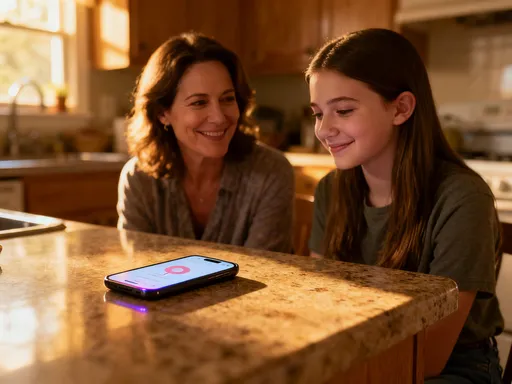
My daughter noticed it right away. “Mom, it feels like we’re in a cozy café now,” she said one night, curling up with a book. And she was right. The warmth of the light makes the room feel safer, softer, more intimate. Even my husband, who was skeptical at first, admitted he sleeps better since we made the change. He used to lie in bed with his mind racing, but now the house itself feels like it’s winding down with him.
Setting it up took less than an hour. I used a simple app, chose a sunset schedule, and picked a warm tone. No coding. No complex wiring. Just a small investment that paid back in peace. And the beauty is, it runs on its own. I don’t have to remember to turn it on or adjust it. It just knows. That’s the kind of tech I can get behind—tech that serves me, not the other way around.
Soundscapes That Soothe, Not Overwhelm
Before, sound in my living room was chaos. The TV was always on—sometimes for news, sometimes just for noise. My phone would ping with emails, my daughter’s tablet would play cartoons, and music would shuffle unpredictably from a speaker I barely controlled. It wasn’t background sound. It was background stress.
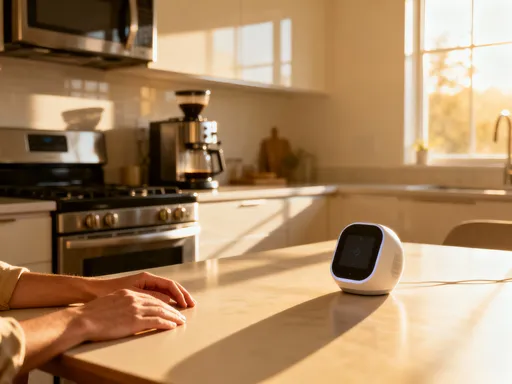
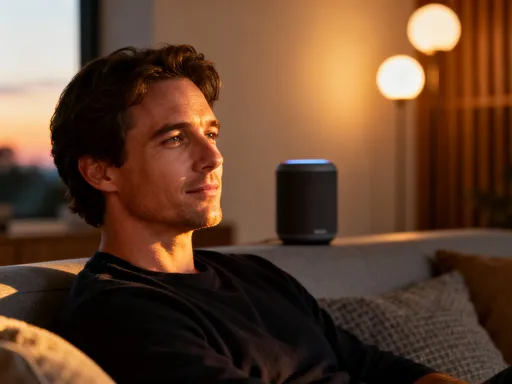
I wanted sound that supported me, not distracted me. So I started experimenting with a smart speaker and discovered something surprising: silence isn’t always the answer. Sometimes, the right sound can deepen calm. Now, in the evenings, a soft playlist of acoustic covers or gentle piano music fills the room. On weekends, I switch to nature sounds—rainfall, ocean waves, or a quiet forest. It’s not loud. It’s just present, like a warm blanket for the ears.
I created different “mood zones” using simple voice commands or app presets. “Reading mode” plays soft instrumental music at a low volume. “Family time” brings up lighthearted tunes that encourage conversation. “Wind-down” activates a slow, meditative soundtrack that helps us transition to bedtime. The difference is remarkable. My son, who used to fidget during quiet time, now sits still and draws for nearly an hour. My daughter reads more. My husband actually puts his phone down.
One evening, a friend came over and paused at the door. “It feels different in here,” she said. “Peaceful. Like the air itself is softer.” I smiled. That’s exactly what I’d hoped for. Sound isn’t just noise. It’s atmosphere. And when you control it with care, it becomes a tool for presence, not escape.
One Button, Total Calm: The Magic of Scenes
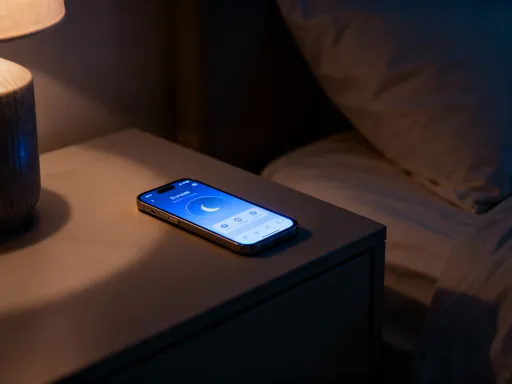
If I had to pick one feature that changed everything, it’s “scenes.” A scene is a custom setting that controls multiple devices at once—with just one tap or voice command. I have one called “Unwind Mode.” When I say, “Hey, turn on Unwind Mode,” the lights dim to 30%, soft music starts playing, the thermostat adjusts to a cozy 72 degrees, and my phone switches to Do Not Disturb. It takes three seconds. And it transforms the entire energy of the room.
Before, winding down required five separate actions: turning off the main light, finding the right lamp, selecting music, adjusting the temperature, silencing notifications. Each step was a decision. And by the end of the day, decisions are the last thing we want. Decision fatigue is real—and it steals our ability to relax. But now, it’s automatic. I don’t have to think. I just say the words, and the space adapts to me.
I’ll never forget the first time I used it during a particularly stressful week. My son had a fever, my husband was working late, and I’d spent the day juggling calls and chores. I was exhausted, near tears. But instead of collapsing into the chaos, I took a breath and said, “Unwind Mode, please.” The lights softened. Music began. The room exhaled. And so did I. My son, half-awake on the couch, whispered, “It feels like a hug.” That moment stayed with me. Technology didn’t fix my problems. But it gave me space to breathe through them.
Scenes aren’t just convenient. They create ritual. And ritual creates calm. When the same sequence happens every evening, your body learns: this is when we slow down. This is when we come home to ourselves. That consistency is priceless.
Learning From How We Live: The Hidden Gift of Data
Here’s something I didn’t expect: my smart devices started teaching me about myself. Most systems track usage patterns—not to spy, but to help. Over time, my lights noticed I usually dim them around 6:45 p.m. My speaker saw that I play jazz on Friday nights. The thermostat learned I prefer it slightly warmer when it’s raining.
None of this felt invasive. It felt like being understood. And because the data stayed private—on my home network, not in the cloud—I never worried about privacy. Instead, I got insights. One week, the app showed I’d been turning off lights later than usual. I hadn’t realized how much screen time I was squeezing in before bed. That small observation helped me reset my routine. Another time, it reminded me that I hadn’t used the “reading mode” in days. I’d been so busy, I’d forgotten to make space for joy.
This isn’t about big data or complex analytics. It’s about gentle feedback. It’s like having a quiet journal that watches your habits and says, “Hey, you usually feel better when you do this.” I started using those insights to make small changes—going to bed 15 minutes earlier, scheduling family game nights, carving out time to read. The technology didn’t make the choices for me. It just helped me see my own patterns more clearly.
For someone like me—who values self-awareness but struggles with time—this was a gift. I wasn’t chasing productivity. I was nurturing well-being. And the best part? It required zero effort. The system learned passively. I benefited actively.
More Than Comfort—Rediscovering Connection
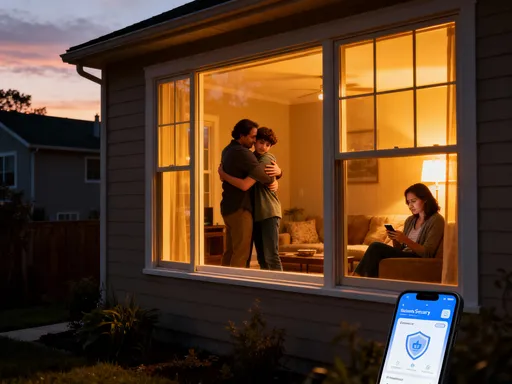
The most unexpected benefit wasn’t personal. It was relational. I thought I was creating a space to help myself relax. But I ended up creating a space where my family could connect—really connect. Before, evenings were a blur of separate screens, scattered conversations, and missed moments. Now, we linger. We talk. We laugh.
Last week, my daughter said, “I love how it feels in here now. It’s like we’re all in the same world.” That hit me. We were present. Not because we were trying harder, but because the space made it easier. The lighting wasn’t straining our eyes. The sound wasn’t pulling our attention elsewhere. The distractions were silenced. We weren’t fighting the environment—we were in it, together.
My husband and I started having real conversations again—about our days, our dreams, even the little things. We play board games on Friday nights. We’ve brought back “no phones at dinner” because the room itself feels too peaceful to break with notifications. My kids ask for “cozy time” instead of screen time. That, to me, is the ultimate win.
Smart technology is often accused of isolating us. But when used with intention, it can do the opposite. It can remove the noise that keeps us apart and amplify the quiet that brings us together. It doesn’t replace human connection. It makes space for it.
A Space That Knows You
Looking back, I realize I wasn’t just redesigning a room. I was redesigning my evenings. And in doing so, I redesigned my relationship with home, with time, with myself. A smart leisure space isn’t about luxury. It’s about care. It’s about creating an environment that listens, adapts, and supports you—without demands, without effort.
It’s not about having the latest gadgets. It’s about using what’s available to make life feel lighter, warmer, more meaningful. It’s about turning your home into a true refuge—a place where you can breathe, connect, and be seen. And the most beautiful part? You don’t need a perfect house or a big budget. You just need to start. One light. One sound. One moment of intention.
If you’re feeling scattered, if your evenings leave you drained instead of restored, I want you to know: it doesn’t have to be this way. Small changes can bring deep peace. Technology, when used wisely, can be a quiet ally in your pursuit of well-being. It can’t solve everything. But it can help you come home—to your space, to your people, to yourself.
And sometimes, that’s everything.