How I Turned Study Tours into a Smarter Investment Cycle
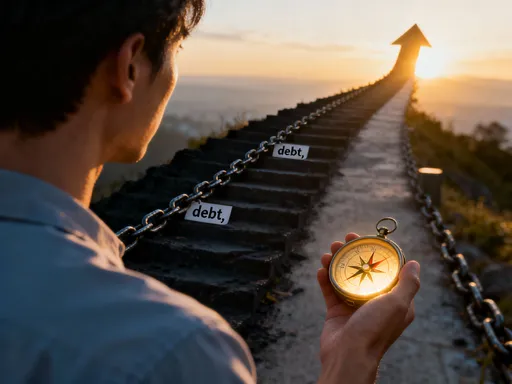
What if your child’s study tour wasn’t just a cost—but part of a smarter financial strategy? I used to see education expenses as pure outflows—until I reframed them within a long-term investment cycle. It changed everything. By aligning timing, purpose, and financial planning, I found ways to reduce waste, boost value, and even create future opportunities. This is how I stopped seeing study tours as expenses and started treating them as strategic investments. What began as a single trip evolved into a repeatable financial model that strengthened our family’s budgeting habits, improved long-term decision-making, and deepened our commitment to purposeful spending. The shift wasn’t about spending more—it was about spending smarter.
The Hidden Cost of Ignoring the Investment Cycle
For many families, a child’s study tour is treated like a one-off expense—an unavoidable cost with no measurable return. It appears on the budget as a red number, often paid in lump sums, and quickly forgotten once the trip concludes. But when education spending is isolated from broader financial planning, it becomes more than just a line item; it becomes a missed opportunity to align resources with long-term goals. The real cost of this mindset isn’t just the price tag of the tour—it’s the ripple effect on cash flow, savings momentum, and financial confidence.
Consider a common scenario: a family learns about a study tour opportunity six weeks before departure. Excited but unprepared, they scramble to cover a $5,000 fee. With no dedicated savings plan, they dip into emergency funds or rely on credit cards with high interest rates. The immediate burden is clear—monthly payments stretch over months, compounding the true cost. But the deeper impact lies in what was sacrificed: delayed home repairs, postponed retirement contributions, or even reduced contributions to college savings accounts. These trade-offs rarely make headlines, but they accumulate silently over time.
Another hidden cost comes from emotional decision-making. When families feel pressured by deadlines or social expectations, they often overlook alternatives. They may pay full price without negotiating, choose premium add-ons without evaluating value, or overlook early-bird discounts simply because they weren’t planning ahead. These choices, while seemingly minor, can inflate total costs by 20% or more. Without a structured approach, even well-intentioned spending becomes inefficient.
The absence of a financial framework also disrupts long-term planning. Education expenses, especially those involving travel, tend to be irregular but predictable. Yet many households manage them reactively rather than proactively. This leads to what financial advisors call “cash flow shock”—a sudden strain on monthly budgets that could have been avoided with foresight. The result is not just stress, but a pattern of financial whiplash: periods of overspending followed by forced cutbacks, undermining overall financial health.
Reframing Study Tours: From Expense to Strategic Investment
The transformation begins with a shift in perspective. Instead of asking, “How do we afford this tour?” the better question is, “How can this experience contribute to our family’s long-term goals?” When viewed through the lens of an investment cycle, a study tour stops being a cost center and starts functioning as a strategic asset. This doesn’t mean treating it like a stock or real estate, but rather recognizing that money spent on education—especially experiential education—can generate lasting returns in knowledge, confidence, and opportunity.
An investment cycle in this context means aligning financial decisions with timing, purpose, and measurable outcomes. It starts with intentionality: defining why the tour matters, what skills it aims to develop, and how it fits into a child’s academic or personal growth. For example, a tour focused on language immersion in France isn’t just a vacation—it’s a targeted investment in linguistic proficiency, cultural fluency, and global awareness. These competencies can enhance academic performance, strengthen college applications, and open doors to international careers later in life.
Consider the long-term benefits beyond the trip itself. A student who gains confidence navigating foreign cities, communicating across cultures, and solving real-world problems is building soft skills that textbooks alone cannot teach. These experiences often translate into stronger leadership abilities, improved adaptability, and greater independence—qualities highly valued in both education and employment. When families recognize these outcomes, they begin to see the tour not as an expense, but as a catalyst for future success.
This reframing also changes how families approach budgeting. Instead of reacting to a sudden demand for funds, they start planning years in advance, integrating study tours into their annual education budgets. They may set aside a fixed amount each month, adjust spending in other areas, or explore income-generating side projects specifically to fund educational goals. The mindset shift—from reactive to proactive—transforms financial stress into empowerment, turning what was once a burden into a purposeful investment.
Timing Is Everything: Matching Cash Flow with Program Cycles
One of the most powerful yet underused tools in personal finance is timing. Most study tour programs follow a predictable annual cycle: announcements in the fall, deposit deadlines in winter, final payments in spring, and travel occurring in summer. This regularity creates a unique opportunity for families to synchronize their savings patterns with these milestones, reducing financial strain and maximizing control.
Take the example of a family that knows a $4,800 study tour will be offered to their child in two years. Instead of waiting until the announcement, they begin saving 24 months in advance. By dividing the total cost by 24, they commit to $200 per month. This modest, consistent contribution avoids the shock of a large lump-sum payment and allows the family to maintain stability in other areas of their budget. Even better, if they automate the transfer from their checking to a dedicated education savings account, the process becomes effortless and nearly invisible.
Strategic timing also involves leveraging seasonal income surges. Many households receive tax refunds, annual bonuses, or holiday gifts—temporary inflows that can be directed toward education goals. A $3,000 tax refund, for instance, can cover more than half the cost of a tour if applied intentionally. By treating these windfalls as targeted investments rather than discretionary spending, families accelerate progress without increasing monthly pressure.
There’s also a negotiation advantage to early financial readiness. Families who can pay deposits quickly or offer full payment upfront often have more flexibility with program coordinators. They may secure better accommodations, preferred travel dates, or even discounts for early commitment. In contrast, those who delay payment due to cash flow constraints lose leverage and may end up with fewer choices or higher costs. Timing, therefore, isn’t just about affordability—it’s about influence and control.
Risk Control: Avoiding the Traps in Education Spending
Even well-planned investments carry risk, and education-related travel is no exception. The goal isn’t to eliminate risk entirely—impossible in any financial decision—but to identify, assess, and mitigate it proactively. Common pitfalls include non-refundable deposits, sudden program cancellations, currency exchange fluctuations, medical emergencies abroad, and unplanned spending on optional excursions or souvenirs.
One of the most significant risks is the loss of funds due to cancellation. Many programs require deposits months in advance, often non-refundable after a certain date. A family that pays $1,000 upfront could lose that amount if unforeseen circumstances—such as illness, family emergencies, or global disruptions—prevent participation. To protect against this, families should inquire about flexible booking options or travel protection plans that cover trip cancellation for a wide range of reasons. While these add a small upfront cost, they can prevent much larger losses.
Currency risk is another often-overlooked factor, especially for international tours. If a program is priced in euros or pounds, but the family’s income is in U.S. dollars, exchange rate fluctuations can increase the final cost by hundreds of dollars. Monitoring exchange trends and locking in rates early—either through prepayment or currency hedging tools offered by some travel agencies—can help stabilize the budget. Even a basic awareness of currency movements allows families to time payments more strategically.
Spending creep is another common issue. Optional add-ons—such as extra museum visits, private tours, or premium meals—can add hundreds of dollars to the total cost. Without clear boundaries, families may overspend under peer pressure or emotional excitement. Establishing a family spending cap before departure, discussing priorities in advance, and involving the student in budgeting decisions can prevent impulse spending. Teaching children to make value-based choices—such as choosing one meaningful souvenir over several small ones—also reinforces financial literacy.
Maximizing Value: Beyond the Trip Itself
The financial return on a study tour extends far beyond the two-week itinerary. The true value lies in how the experience is captured, applied, and leveraged over time. A student who visits historical sites in Greece doesn’t just gain memories—they acquire knowledge that can enhance classroom learning, inspire research projects, or strengthen college applications. These intangible returns, when intentionally cultivated, transform a short trip into a long-term educational asset.
One effective way to maximize value is integration. Families can encourage students to document their experiences through journals, photo essays, or video presentations. These materials can be used in school assignments, such as history reports, language portfolios, or science projects related to environmental observations abroad. Teachers often reward depth and authenticity, giving students who reflect meaningfully on their travels an academic edge.
Colleges and scholarship committees also value experiential learning. A well-articulated study tour experience—particularly one tied to academic focus, leadership, or service—can distinguish an applicant in a competitive pool. Admissions officers look for evidence of curiosity, resilience, and global awareness, all of which can be demonstrated through thoughtful reflection on international experiences. By framing the tour as part of a broader educational journey, families help students extract lasting benefits.
Value can also be extended within the family and community. Siblings who weren’t on the trip can benefit from shared presentations or storytelling sessions. Parents might organize a small gathering where the student shares photos, artifacts, and insights—turning a personal experience into a collective learning moment. Some families even partner with local schools or libraries to host informal talks, further reinforcing the student’s communication skills and sense of accomplishment.
Building a Repeatable System: Your Family’s Investment Cycle
Once a family completes one study tour using intentional planning, the next step is to systemize the process. The goal is not perfection, but consistency—a repeatable framework that reduces stress and increases confidence with each cycle. This system includes clear timelines, dedicated savings mechanisms, and ongoing communication about educational priorities.
A key component is creating a multi-year education calendar. This includes not only upcoming study tours but also other predictable expenses like standardized test fees, summer programs, or technology upgrades. By mapping these out, families gain visibility into future demands and can adjust savings accordingly. For example, if a high school junior plans to attend a summer leadership program, and a sophomore is eyeing a language tour, the family can stagger savings to avoid overlapping peaks.
Another pillar is the establishment of a dedicated education fund. This account, separate from general savings or emergency funds, is used exclusively for academic-related expenses. Automatic monthly transfers—no matter how small—build momentum over time. Even $100 per month grows to $1,200 annually, and over five years, that’s $6,000, plus interest. The psychological benefit is equally important: knowing there’s a designated pool of resources reduces anxiety and strengthens commitment.
Regular family meetings also play a crucial role. These discussions allow everyone to stay informed, voice preferences, and understand trade-offs. A teenager might agree to delay a personal purchase to contribute to the tour fund, or parents might decide to cut back on dining out for six months to accelerate savings. These conversations foster financial responsibility and shared ownership, turning financial planning into a collaborative effort.
Looking Ahead: Smarter Spending, Stronger Futures
The journey of reframing study tours as strategic investments does more than make one trip more affordable—it reshapes an entire approach to family finance. When education spending is integrated into a deliberate investment cycle, every dollar serves multiple purposes: it funds an experience, builds skills, strengthens relationships, and reinforces long-term discipline. The result is not just smarter spending, but a deeper sense of control and purpose in financial life.
This model also sets a powerful example for the next generation. Children who grow up seeing money as a tool for growth—not just consumption—develop stronger financial habits. They learn to plan ahead, weigh trade-offs, and connect spending to values. These lessons extend far beyond study tours, influencing how they’ll manage student loans, careers, and eventually their own families.
Looking forward, the principles of timing, risk control, and value maximization can be applied to other areas of life—college savings, home investments, retirement planning. The foundation built through one well-planned tour becomes a blueprint for lifelong financial health. Education, when approached with intention, stops being a burden and becomes a vehicle for connection, opportunity, and resilience. And in the end, that’s the greatest return on investment any family can achieve.