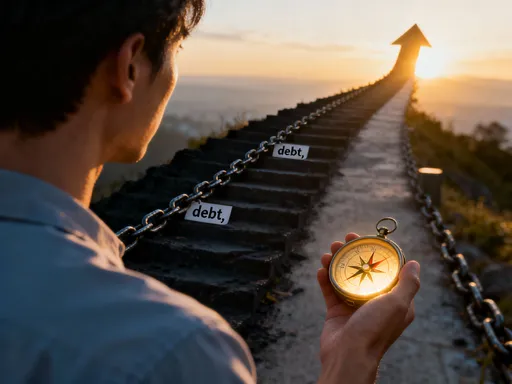
How I Broke the Debt Cycle and Started Winning with My Money
What if paying off debt wasn’t just about surviving—but actually set you up to grow wealth? I used to see debt repayment as a burden, until I realized it’s the first phase of a smarter investment cycle. This shift changed everything. No magic tricks, no get-rich-quick schemes—just a practical path that helped me clear debt, build confidence, and start investing with purpose. Here’s how it works. By reframing debt not as a failure but as a strategic starting point, I began to see my financial journey differently. The money I once thought was lost to interest became a tool for discipline, planning, and long-term growth. This is not a story of overnight success, but of steady, intentional choices that led to real change.
The Hidden Link Between Debt Payoff and Investment Momentum
Paying off debt is often seen as a necessary chore, a financial obligation with no immediate reward. But when viewed through the lens of long-term wealth building, it becomes one of the most powerful forms of investment. The connection between eliminating debt and creating investment momentum is not always obvious, but it is deeply rooted in financial logic. When you pay off high-interest debt, you are effectively earning a guaranteed return equal to the interest rate you no longer pay. For example, eliminating a credit card balance with a 20% annual interest rate is equivalent to earning a 20% risk-free return on that money—something no traditional investment can reliably match. This makes debt repayment not just a defensive move, but an offensive financial strategy.
The mindset shift from seeing debt payoff as a cost to recognizing it as a gain is crucial. Many people assume that real investing only begins when they buy stocks, bonds, or real estate. Yet, the foundation of any successful investment plan is financial stability. Without it, even the most promising opportunities can become risky. High debt levels create financial pressure, limit flexibility, and increase the likelihood of reactive, emotional decisions. By contrast, reducing debt strengthens your financial base, improves cash flow, and creates space for thoughtful, long-term planning. This is not passive progress—it is active preparation for growth.
Moreover, as debt decreases, your net worth increases, even if your income stays the same. This improvement in financial health boosts confidence and shifts your relationship with money. Instead of feeling trapped by obligations, you begin to see possibilities. You gain the ability to redirect funds toward savings and investments, not out of sacrifice, but out of freedom. The momentum generated from consistent debt reduction can fuel the next phase of your financial journey. It is not about waiting until you are completely debt-free to start investing; it is about understanding that every dollar paid toward debt is a step toward greater financial power.
Mapping the Investment Cycle: From Debt to Growth
The investment cycle is often misunderstood as beginning with the purchase of financial assets. In reality, it starts much earlier—with the management of liabilities. True financial growth is not just about what you earn or invest, but what you keep and how you structure your obligations. The first stage of the cycle is focused on reducing debt, especially high-interest consumer debt, which acts as a drag on wealth accumulation. This phase is not glamorous, but it is foundational. Just as a house needs a solid foundation before walls can be built, your financial life requires stability before growth can be sustained.
Once high-interest debt is under control, the next step is building an emergency fund. This buffer protects against unexpected expenses and prevents the need to rely on credit when setbacks occur. Without this safety net, even small financial shocks can derail progress and push individuals back into debt. A common recommendation is to save three to six months’ worth of essential expenses, but the right amount depends on personal circumstances, such as job stability and family needs. The goal is not perfection, but preparedness. This fund does not need to generate high returns; its value lies in security and peace of mind.
Only after these two steps—debt reduction and emergency savings—does the allocation of money toward appreciating assets become truly effective. At this stage, investing is no longer a gamble or a stretch. It is a deliberate choice made from a position of strength. Whether it’s contributing to a retirement account, buying index funds, or exploring real estate, the investments you make are more likely to succeed because they are not undermined by ongoing financial stress. Timing and sequence matter. Investing while carrying high-interest debt often means paying more in interest than you earn in returns, which erodes net gains. By following the correct order, you align your actions with financial logic rather than emotion.
This structured approach also helps prevent burnout. Many people attempt to do everything at once—save, invest, and pay off debt—only to feel overwhelmed and give up. By breaking the process into clear phases, you can focus on one priority at a time, measure progress, and build confidence. Each completed stage becomes a stepping stone to the next. The investment cycle is not a sprint; it is a marathon that rewards patience, consistency, and discipline.
Why Risk Control Starts with Debt Management
When most people think about financial risk, they focus on the stock market—volatility, downturns, and the fear of losing money. But the greatest financial risk for many households is not market fluctuations; it is unmanaged debt. Carrying high-interest balances, especially on credit cards, creates a guaranteed financial loss over time. Unlike investments, which may go up or down, interest on debt accumulates predictably and compounds against you. This is a risk that can be eliminated, yet it is often ignored in favor of chasing returns.
Debt management is one of the most effective forms of risk control because it stabilizes your financial base. When you reduce or eliminate high-interest debt, you lower your monthly obligations, improve your credit score, and increase your borrowing capacity for future needs, such as a mortgage or business venture. More importantly, you gain emotional resilience. Financial stress is a major contributor to anxiety, and debt is often at its core. By taking control of debt, you reduce uncertainty and create a sense of security that allows for clearer thinking and better decision-making.
This stability becomes especially valuable during economic downturns. When markets drop or job security is threatened, those with low debt levels are better positioned to weather the storm. They are less likely to be forced into selling investments at a loss or taking on more debt to cover expenses. In contrast, those with high debt burdens may face a cascade of financial problems, from missed payments to damaged credit. Risk in investing should be calculated and intentional, not forced by circumstance. By managing debt first, you create the freedom to take measured risks later—risks that have the potential for reward, rather than those driven by desperation.
Additionally, paying off debt improves your debt-to-income ratio, a key metric used by lenders and financial advisors to assess financial health. A lower ratio signals responsibility and reliability, which can lead to better loan terms and lower interest rates in the future. This creates a positive feedback loop: less debt leads to better financial terms, which in turn makes it easier to save and invest. Risk control is not just about avoiding loss—it is about creating the conditions for long-term success.
Practical Strategies to Accelerate Debt Payoff Without Sacrifice
One of the biggest misconceptions about getting out of debt is that it requires extreme sacrifice—cutting every expense, living frugally, and giving up all enjoyment. In reality, sustainable debt repayment is not about deprivation, but about strategy and consistency. Small, manageable changes, when applied regularly, can have a powerful cumulative effect. The goal is not to endure hardship, but to design a system that works with your life, not against it.
One effective method is to redirect windfalls toward debt. This includes tax refunds, bonuses, cash gifts, or even unexpected savings from a lower utility bill. Instead of spending these amounts on discretionary items, applying them directly to debt can significantly shorten the payoff timeline. Even a single $1,000 payment on a $10,000 credit card balance at 18% interest can save hundreds in interest and reduce the repayment period by months. The key is to treat these funds as tools for acceleration, not as extra spending money.
Another strategy is optimizing payment timing. Many people make one payment per month, usually on the due date. But making multiple smaller payments throughout the month—such as weekly or biweekly—can reduce the average daily balance, which in turn lowers the amount of interest accrued, especially on credit cards that use daily compounding. This technique does not require more money; it simply uses timing to your advantage. Pairing this with automatic payments ensures consistency and reduces the mental load of remembering due dates.
Behavioral approaches also play a role. The debt snowball method, which involves paying off the smallest balances first while making minimum payments on others, provides psychological wins that build motivation. The debt avalanche method, which targets the highest-interest debt first, saves more money over time. The best approach depends on your personality—some people thrive on quick wins, while others prefer maximum efficiency. The important thing is to choose a method that you can stick with. Automation, reminders, and tracking progress through apps or spreadsheets can help maintain momentum. The goal is not perfection, but steady progress.
Transitioning from Debt Freedom to First Investments
Reaching debt freedom is a major milestone, both financially and emotionally. It brings a sense of relief, accomplishment, and newfound freedom. This moment is powerful—and it is also a critical turning point. How you use this momentum determines whether it leads to lasting wealth or temporary comfort. The transition from debt repayment to investing should be intentional, not impulsive. Jumping into complex or high-risk investments out of excitement can undo years of progress. Instead, the focus should be on building a solid, sustainable foundation for growth.
The first step is to establish clear goals. What are you investing for? Retirement, a home, education, or long-term security? Your goals will shape your investment choices, time horizon, and risk tolerance. For most people, especially those just starting out, the best approach is to begin with low-cost, diversified options. Index funds and exchange-traded funds (ETFs) that track broad market indices offer instant diversification and historically strong returns with minimal effort. They are ideal for building confidence and familiarity with the market without taking on unnecessary risk.
Consistency matters more than the initial amount. Even small, regular contributions—such as $50 or $100 per month—can grow significantly over time thanks to compounding. Setting up automatic transfers to an investment account ensures that saving becomes a habit, not a decision. This removes emotion from the process and creates discipline. Over time, as your income grows and expenses stabilize, you can increase your contributions. The key is to start, even if it feels small. The act of investing regularly builds financial literacy and reinforces a long-term mindset.
This phase is also an opportunity to review your financial habits. With debt no longer a burden, it is easy to increase spending—a phenomenon known as lifestyle inflation. To protect your progress, it is important to maintain budgeting and tracking practices. The money that once went to debt payments should now be directed toward savings and investments, not just higher consumption. This ensures that financial freedom leads to lasting wealth, not just temporary comfort.
Building Wealth Gradually: The Power of Compounding After Debt
Once high-interest debt is eliminated, compounding shifts from working against you to working for you. This is one of the most powerful transformations in personal finance. While interest previously eroded your money, returns now have the potential to grow it exponentially. The earlier you start, the greater the effect. Even modest contributions, when invested consistently over decades, can grow into substantial sums. Time is not just an advantage—it is the most valuable asset in wealth building.
Consider this: investing $300 per month with an average annual return of 7% would grow to over $500,000 in 40 years. This growth is not the result of high risk or large contributions, but of consistency and time. The power lies in reinvesting earnings—dividends, interest, and capital gains—so they generate their own returns. This compounding effect accelerates over time, creating a snowball of growth that becomes increasingly difficult to stop.
To maximize this benefit, it is important to stay diversified and avoid emotional reactions to market swings. Markets will rise and fall, but history shows that they trend upward over the long term. Staying invested through downturns allows you to benefit from recoveries. Trying to time the market often leads to missed opportunities. A disciplined, long-term approach yields better results than frequent trading or chasing trends.
Avoiding lifestyle inflation is equally important. As income increases, it is tempting to spend more on housing, cars, travel, or other luxuries. While enjoying life is important, unchecked spending can prevent wealth accumulation. The goal is balance—living well while continuing to save and invest. Redirecting raises, bonuses, or debt repayment amounts into investments helps maintain momentum without feeling deprived. Wealth is not built in moments of sacrifice, but in consistent choices over time.
Staying on Track: Avoiding the Debt-Investment Trap
One of the most common financial pitfalls is falling back into debt after achieving freedom. Some people, once they start investing, feel a false sense of financial security and begin using credit for lifestyle upgrades. They might buy a new car on loan, take on a larger mortgage, or charge luxury purchases to credit cards, believing that their investments will cover the costs. This creates a dangerous cycle: debt returns, interest accumulates, and investment gains are offset by new obligations. True financial health requires balance—investing should not come at the expense of stability.
The key is to maintain clear boundaries. Invest only money that is truly surplus—after essential expenses, debt payments, and savings goals are met. Avoid using debt for depreciating assets, such as cars, electronics, or vacations. These purchases lose value over time, making them poor candidates for financing. If you must borrow, ensure the loan is for an appreciating asset or a necessary investment, such as education or home improvement, and that the terms are favorable.
Regular financial check-ins are essential. Reviewing your net worth, spending habits, and investment progress every few months helps you stay aligned with your goals. It allows you to catch small problems before they become big ones. Tools like budgeting apps, net worth trackers, and investment statements make this process simple and informative. These reviews should not be stressful—they are a way to celebrate progress and make adjustments as needed.
Sustainability beats speed. It is better to make slow, consistent progress than to rush forward and burn out. Financial wellness is not a destination, but a lifelong practice. By staying mindful of both debt and investment, you create a balanced, resilient financial life. You are not just avoiding risk—you are building a foundation for lasting security and growth.
Conclusion
Debt repayment is not the opposite of investing—it is the first, most practical step. By mastering this phase, you lay a strong foundation, gain control, and unlock real investment potential. The journey is not about perfection, but progress. Every dollar paid toward debt is a step toward freedom, stability, and future growth. When you align debt payoff with the broader investment cycle, you don’t just survive financially—you start winning. This is not about getting rich quickly, but about building lasting wealth through discipline, patience, and smart choices. The power is not in complex strategies, but in consistent action. By starting where you are, using what you have, and doing what you can, you create a future of financial confidence and opportunity.