How I Turned Spa Days into Smart Investments — Without the Risk
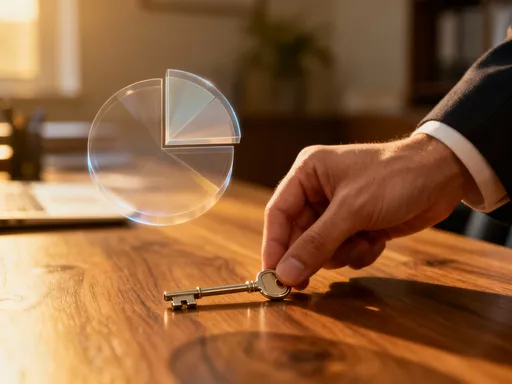
What if your luxury spa visits could actually help grow your wealth instead of draining it? Sounds wild, right? As someone who once blew hundreds on treatments without thinking, I’ve since cracked a smarter approach. It’s not about skipping self-care—it’s about redefining it. By aligning spa spending with health-focused financial strategies, I optimized returns while keeping my wellness routine intact. This is how I stopped seeing spa costs as losses and started using them as part of a smarter financial picture—no hype, just practical, real-world moves. The shift wasn’t dramatic or extreme; it was gradual, thoughtful, and grounded in real behavioral change. I learned that every dollar spent on wellness doesn’t have to vanish—it can serve a dual purpose when planned wisely. This story isn’t about deprivation. It’s about transformation: turning what feels like indulgence into a disciplined, value-driven practice that supports both mental clarity and financial stability.
The Hidden Cost of Self-Care
Self-care has become a cultural imperative, especially for women balancing careers, family, and personal well-being. Spa days are often marketed as essential escapes—necessary respites from daily stress. But beneath the soothing music and scented lotions lies a financial reality many overlook: recurring luxury spending adds up quickly. A single massage might cost $80, a facial $120, and a full day package easily exceeds $300. For someone visiting once a month, that’s over $3,600 a year—enough to cover a significant portion of an emergency fund, a family vacation, or even a down payment on a car. Yet, because these expenses are irregular and emotionally justified, they often escape scrutiny in household budgets.
The danger isn’t in the occasional treat—it’s in the pattern of unexamined consumption. Behavioral economics shows that people are more likely to spend on small, pleasurable items when they feel they’ve earned it. The working mother who survives a chaotic week may feel entitled to a mani-pedi, just as the professional woman juggling deadlines might reward herself with a hot stone massage. These moments of relief are valid and psychologically beneficial. However, when such rewards become routine without financial tracking, they shift from self-care to silent budget erosion. Over time, this creates a gap between perceived financial health and actual cash flow, leading to stress rather than relief.
What makes this spending particularly insidious is its emotional cover. Unlike utilities or groceries, spa services are not necessities, yet they are framed as health investments. Marketing language reinforces this: “detoxifying treatments,” “stress-relief therapies,” “rejuvenating rituals.” While some benefits are real, especially for mental health, the financial impact remains. The key is not to eliminate these experiences but to audit them. By recognizing that every spa visit carries an opportunity cost—the value of what else that money could do—we begin to see self-care not as a free pass to spend, but as a choice that deserves strategic consideration.
When Wellness Meets Wealth: Rethinking Spa Spending
Not all spending is created equal. In personal finance, the distinction between consumption and investment is critical. A latte is consumption. A retirement contribution is investment. But what about a massage? On the surface, it appears to be pure consumption. Yet, if that massage reduces muscle tension, improves sleep, and enhances focus at work, it indirectly supports productivity. This is where the concept of *functional wellness* emerges—a framework for evaluating self-care not by its luxury appeal, but by its measurable impact on daily functioning and long-term health.
Research in occupational health suggests that chronic stress contributes to absenteeism, reduced performance, and higher healthcare costs. The American Institute of Stress estimates that stress costs U.S. businesses over $300 billion annually in lost productivity. When viewed through this lens, a $90 massage that prevents burnout or a day of missed work isn’t just a treat—it’s a preventative measure. Similarly, regular skincare treatments may delay the need for more expensive dermatological interventions later. These are not direct financial returns like interest or dividends, but they represent avoided costs and improved efficiency—forms of return that matter in household economics.
The shift in mindset is subtle but powerful: instead of asking “Can I afford this spa day?” we begin to ask “What value does this provide beyond relaxation?” This reframing allows for more intentional decision-making. It doesn’t mean every spa visit must justify itself as a medical necessity. Rather, it encourages prioritization. Choosing a deep-tissue massage over a luxury body wrap, for example, may offer greater physical benefit for similar cost. Scheduling treatments before high-stress periods—such as tax season or school holidays—can maximize their functional impact. In this way, wellness spending becomes less about impulse and more about strategy, aligning emotional needs with financial prudence.
From Expense to Asset: The Return Optimization Mindset
In investing, return optimization means getting the highest possible outcome for a given level of input. The same principle applies to personal spending. When applied to spa experiences, it involves maximizing the value derived per dollar spent. This doesn’t require giving up luxury—it requires smarter choices. The goal is not to spend less, necessarily, but to get more. And that starts with three levers: frequency, location, and service selection.
Frequency is often the first area for adjustment. Monthly spa visits may feel manageable, but bi-monthly visits with longer duration or higher quality can deliver similar satisfaction at half the annual cost. Alternatively, rotating services—massage one month, facial the next—extends variety without increasing spending. Some find that a single, high-quality annual retreat provides deeper renewal than several routine visits, offering better emotional and physical return on investment.
Location matters more than many realize. Urban spas in upscale districts often charge premium prices for ambiance. But medical spas, wellness centers, or even accredited training schools for estheticians and massage therapists offer comparable services at significantly lower rates. These facilities maintain professional standards while operating with lower overhead. A 60-minute massage at a luxury hotel might cost $150, while the same service at a local wellness clinic could be $75—with similar or even superior technique. The savings, compounded over time, can be redirected toward other financial goals without sacrificing quality.
Service selection is where optimization becomes most strategic. Not all treatments offer equal value. A salt glow may feel indulgent, but its health benefits are minimal compared to a therapeutic massage that addresses chronic pain. Similarly, a chemical peel performed under medical supervision may have longer-lasting skincare benefits than a basic facial. By prioritizing services with dual benefits—those that enhance both well-being and physical health—spending becomes more purposeful. The result is a portfolio of wellness investments that deliver measurable returns in energy, appearance, and resilience, all within a controlled budget.
Risk Control: Avoiding the Luxury Trap
Luxury is designed to feel effortless, and that’s precisely what makes it financially risky. High-end spas excel at creating environments where money feels abstract. Soft lighting, calming music, and personalized service lower resistance to spending. Upselling is common: “Would you like to add a scalp treatment for $35?” “Our signature mask boosts results by 40%.” In the moment, these upgrades seem minor. But over time, they inflate costs significantly. What began as a $100 massage can easily become a $200 experience with just two add-ons. This is the luxury trap—small, emotionally driven decisions that erode financial discipline.
Emotional spending is another major risk. Stress, fatigue, or even retail therapy after a difficult day can trigger impulsive bookings. Unlike planned expenses, these are reactive and often regretted later. Subscription models amplify this risk. Monthly membership plans promise convenience and savings, but they often lock users into automatic renewals, making it harder to pause or cancel. Behavioral studies show that people are less likely to cancel recurring payments they don’t actively use, simply because the process feels inconvenient. This creates a steady outflow of cash for services that may no longer serve their original purpose.
To counter these risks, structure is essential. Setting a monthly or annual spa budget creates a clear boundary. Using a pre-approval rule—such as requiring 24 hours to pass before booking—helps filter emotional decisions. Tracking triggers can also be revealing: noting when and why a spa visit was booked (e.g., after a conflict at work, during a family crisis) helps identify patterns and develop healthier coping mechanisms. Some find it useful to designate “wellness days” in advance, aligning them with pay cycles or low-stress periods, ensuring that spending remains intentional rather than reactive. These controls don’t eliminate enjoyment—they protect it by ensuring it’s sustainable.
Smart Substitutions: Getting More for Less
Frugality doesn’t require sacrifice—it requires creativity. The goal isn’t to stop going to spas, but to explore alternatives that deliver similar benefits at lower cost. One of the most effective strategies is substitution: replacing premium services with high-value equivalents. For example, community wellness centers often offer massage therapy at reduced rates, sometimes on a sliding scale based on income. These services are typically provided by licensed professionals or supervised trainees, ensuring quality while keeping prices accessible.
Another option is leveraging employer-sponsored wellness programs. Many companies now offer on-site massages, yoga classes, or mental health resources as part of employee benefits. These services are either free or heavily subsidized, effectively turning what would be a personal expense into a workplace perk. Similarly, some health insurance plans cover certain therapeutic treatments, such as acupuncture or chiropractic care, when prescribed for specific conditions. While these may not replicate the full spa experience, they address core wellness needs—pain relief, stress reduction, improved circulation—at little to no out-of-pocket cost.
Home-based solutions also play a role. High-quality massage guns, heated eye masks, and at-home skincare devices have improved dramatically in recent years. While the initial investment may be $100–$300, these tools can replace multiple spa visits over time. Paired with online tutorials or guided meditation apps, they create a personalized wellness routine that fits within a tight budget. The key is evaluating substitutions not by luxury appeal, but by effectiveness. Does a 20-minute session with a massage roller deliver 80% of the relief of a professional massage? For many, the answer is yes—making it a smart financial trade-off.
Leveraging Tools and Timing for Maximum Value
Timing and tools can transform discretionary spending into optimized financial behavior. Just as investors look for market opportunities, savvy consumers can identify moments of maximum value in wellness spending. Seasonal promotions are one such opportunity. Spas often offer discounts during slower months—January, September, or mid-week periods—to fill unused capacity. A $150 facial might be available for $99 during a “renewal week” event. These limited-time offers, when planned in advance, allow for luxury experiences at reduced cost without compromising quality.
Loyalty programs are another powerful tool. Many spas offer punch cards or point systems: buy five massages, get one free. When used strategically, these can reduce average costs by 15–20%. The key is consistency—using the same provider to accumulate rewards rather than spreading visits across multiple locations. Some national chains even offer mobile apps that track points, send personalized deals, and allow booking with stored payment, making it easier to stay within budget while maximizing benefits.
Perhaps the most underutilized tool is the Health Savings Account (HSA) or Flexible Spending Account (FSA). If a spa service is deemed medically necessary—such as therapeutic massage for chronic back pain—it may qualify for reimbursement through these tax-advantaged accounts. While purely cosmetic treatments don’t qualify, services prescribed by a healthcare provider for diagnosed conditions can. This turns what appears to be a personal expense into a tax-efficient medical investment. Employers may also offer wellness incentives, such as cash rewards for completing health assessments or attending fitness classes. By aligning spa-related activities with these programs, individuals can offset costs in ways that improve both financial and physical health.
Building a Sustainable Financial Wellness Cycle
True financial wellness isn’t about cutting every expense or chasing extreme frugality. It’s about creating a balanced, sustainable system where spending supports long-term goals rather than undermining them. The most effective financial strategies are not those that deny pleasure, but those that align it with purpose. When spa days are integrated into a broader financial plan—with clear budgets, strategic timing, and value-focused choices—they cease to be liabilities and become part of a holistic health and wealth strategy.
This cycle begins with awareness: recognizing that every dollar spent carries an opportunity cost. It continues with intention: choosing services that deliver real benefits, not just fleeting pleasure. It is reinforced by discipline: using tools like budgets, pre-approvals, and loyalty programs to maintain control. And it is sustained by balance: allowing for enjoyment without guilt, because it is earned and planned.
Over time, this approach builds financial resilience. Money once lost to untracked spending can now be redirected toward emergency savings, retirement, or children’s education. At the same time, well-being improves, because self-care is no longer a source of financial stress. The result is a virtuous cycle: better health supports better earning and decision-making, which in turn enables smarter spending and greater security. This is not about becoming wealthy overnight. It’s about making small, consistent choices that compound into lasting change. By redefining spa days not as indulgences, but as intentional investments in body, mind, and financial future, women can enjoy both wellness and wealth—without compromise.