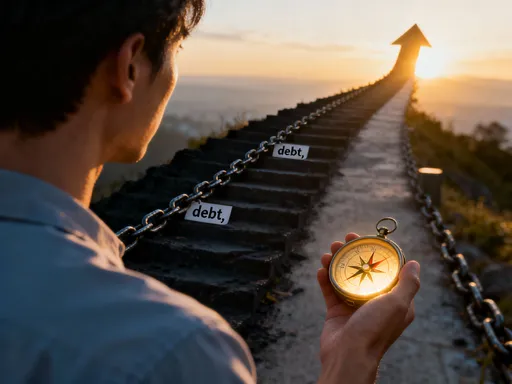
How I Tackled My Debt and Rebuilt My Finances—Systematically
Ever felt crushed by debt, like no matter how hard you try, you’re not getting anywhere? I’ve been there. It wasn’t until I shifted from random payments to a clear, step-by-step plan that things finally changed. This isn’t about quick fixes or get-rich-quick schemes—it’s about real financial planning that works. Let me walk you through the systematic approach that helped me regain control, one smart move at a time. The journey wasn’t easy, but it was worth it. What started as overwhelming stress turned into a structured path toward freedom. This is not just a story of paying off debt—it’s about building confidence, making smarter choices, and creating a future where money serves you, not controls you.
The Breaking Point: When Debt Feels Overwhelming
For years, I told myself I was managing just fine. I made the minimum payments, avoided checking my account balance, and told myself the debt would eventually go away. But instead of shrinking, it grew—quietly, steadily, like a shadow stretching longer with each passing month. Credit card statements arrived with a sense of dread. I’d open them halfway, then set them aside, promising to deal with them later. The truth was, I didn’t want to face the numbers. I was living paycheck to paycheck, and even small unexpected expenses—a car repair, a medical bill—pushed me further into the red.
It wasn’t just the money that wore me down; it was the constant mental load. I’d lie awake at night, running calculations in my head. Could I afford to take my daughter to her soccer tournament? Should I cancel the family dinner to save $50? The stress seeped into everything—my mood, my relationships, even my health. I felt trapped, as if I were running on a financial treadmill with no off switch. That’s when I realized: I wasn’t managing debt. Debt was managing me.
The turning point didn’t come with a bonus check or an inheritance. It came on an ordinary Tuesday, when I sat down with a cup of tea and finally opened every bill, every statement, every piece of financial mail I’d been avoiding. I wrote down every balance, every interest rate, every due date. The total number on the page was shocking—but for the first time, it was real. And in that moment, something shifted. I wasn’t in denial anymore. I had a problem, and now I had the full picture. That clarity didn’t erase the debt, but it gave me something more valuable: the motivation to act. This wasn’t about shame or blame. It was about responsibility, and the quiet determination to do better.
Mapping the Terrain: Understanding What You Owe
Once I decided to take control, the first real step was understanding exactly what I owed. This wasn’t about guessing or estimating—I needed facts. I gathered every piece of financial paperwork: credit card statements, loan agreements, medical bills, and even old notes from family loans I’d never formalized. Then, I created a simple spreadsheet. Each row represented a debt. Columns included the creditor’s name, the current balance, the interest rate, the minimum monthly payment, and the due date. I didn’t leave anything out, even the $300 I owed my sister. Honesty was essential. If I was going to fix this, I had to see the full picture—no omissions, no excuses.
What surprised me was how scattered the debt had become. I had three credit cards, each with different rates and balances. One card, used for emergencies, had a 24.99% interest rate—almost a quarter of the balance disappearing in interest every year. I also had a personal loan from a bank, a car loan with a lower rate, and several medical bills that had been rolled into payment plans. When I added it all up, the total was more than I’d imagined. But again, that number wasn’t the enemy. The real danger was ignorance. Not knowing where the money was going, or how much it was costing me in interest, had allowed the debt to grow unchecked.
This process did more than list numbers—it revealed patterns. I saw how small charges, like online subscriptions I no longer used or convenience store runs, had added up over time. I noticed that I was paying far more in interest than in principal on certain cards. Most importantly, I identified which debts were costing me the most in the long run. This wasn’t just record-keeping; it was intelligence gathering. With this map in hand, I could now plan my strategy. I wasn’t fighting blind anymore. I knew the battlefield, and I could start making moves that actually mattered. Knowledge, I realized, was the first form of power in any financial recovery.
Building a Foundation: Creating a Realistic Budget
With a clear picture of my debt, the next step was building a budget—one that reflected my real life, not an idealized version of it. I used to think of budgets as restrictive, like financial diets that never lasted. But this time, I reframed it: a budget wasn’t about punishment. It was about awareness. It was a tool to show me where my money was going and how I could redirect it toward what truly mattered. I started by listing all sources of income—my salary, a small side gig, and any irregular earnings like tax refunds or gifts. Then, I categorized my expenses into two main groups: needs and wants.
Needs included rent, utilities, groceries, transportation, insurance, and minimum debt payments. Wants were everything else—dining out, entertainment, clothing, and non-essential shopping. I tracked every expense for a full month, using a simple app and keeping receipts. What I discovered was eye-opening. I was spending nearly $200 a month on coffee and lunches—money that could have gone toward debt. I had three streaming services I barely used. I was paying for a gym membership I hadn’t visited in months. These weren’t reckless splurges, but small habits that, over time, drained my resources.
The goal wasn’t to eliminate all wants—that would be unsustainable. Instead, I looked for balance. I kept a few small pleasures, like a weekly coffee treat, but cut back on larger, less meaningful expenses. I switched to a cheaper phone plan, started meal planning to reduce grocery waste, and paused non-essential subscriptions. Every dollar saved wasn’t just a cut—it was a contribution to my freedom. I built a budget that was tight but livable, one I could stick to without feeling deprived. This budget became the engine of my debt repayment plan. It wasn’t flashy, but it was consistent. And consistency, I learned, was more powerful than any sudden windfall.
Choosing Your Path: Strategic Repayment Methods Compared
Now that I had a budget and a clear debt list, I faced a critical decision: where to start. I had heard of two popular methods—the debt avalanche and the debt snowball—but I didn’t know which one was right for me. I took the time to understand both, not just the mechanics, but the psychology behind them. The debt avalanche method involves paying off debts with the highest interest rates first, while making minimum payments on the rest. This approach saves the most money on interest over time. For example, a credit card at 24% interest will cost far more than a personal loan at 7%, even if the loan balance is higher. By tackling high-interest debt first, you reduce the total amount you’ll pay in the long run.
The debt snowball method, on the other hand, focuses on paying off the smallest balances first, regardless of interest rate. You list debts from smallest to largest and throw extra money at the top one until it’s gone. Then, you roll that payment into the next smallest debt. The benefit here isn’t financial—it’s emotional. Paying off a small debt quickly gives you a sense of accomplishment, a win that builds momentum. This psychological boost can be powerful, especially when you’re feeling discouraged. Studies have shown that people who use the snowball method are more likely to stick with their plan, not because it saves the most money, but because it feels rewarding.
I had to decide: did I want to save the most money, or did I want to stay motivated? After some reflection, I chose a hybrid approach. I used the avalanche method for the majority of my plan because I wanted to minimize interest costs. But I also identified one small debt—a $400 medical bill—as my “quick win.” I paid that off first, using a temporary side hustle. The moment that zero balance appeared, I felt a surge of confidence. It proved I could do this. That small victory gave me the energy to keep going. The truth is, there’s no one-size-fits-all solution. The best method is the one you can stick to. Whether you prioritize math or motivation, the key is consistency and clarity.
Protecting Progress: Emergency Funds and Risk Control
One of my biggest fears was that all my progress would be undone by an unexpected expense. And I was right to worry. Early in my repayment journey, my car needed new brakes—a $600 repair. Without a plan, I might have put it on a credit card, adding to the debt I was trying to eliminate. But this time, I had a small emergency fund. It wasn’t much—just $1,000—but it was enough to cover the repair without derailing my plan. That experience taught me a crucial lesson: debt repayment and risk control must go hand in hand.
An emergency fund isn’t a luxury; it’s a financial safety net. Life is unpredictable. Cars break down. Appliances fail. Medical issues arise. Without a buffer, even a minor setback can force you back into debt. I started building my fund slowly—$20 here, $50 there—until I reached a baseline of one month’s essential expenses. I kept the money in a separate savings account, so it wouldn’t be tempting to spend. This wasn’t about becoming rich. It was about becoming resilient. Knowing I had a cushion reduced my anxiety and gave me confidence to keep moving forward.
Risk control also meant reviewing my insurance coverage. I made sure I had adequate health, auto, and renter’s insurance—not too much, not too little. I also set up automatic payments for minimum debt obligations, so I wouldn’t face late fees. These steps weren’t glamorous, but they protected my progress. I learned that financial health isn’t just about paying off debt. It’s about building systems that prevent future crises. A strong foundation includes not just budgeting and repayment, but also preparation for the unexpected. That’s what turns short-term effort into long-term stability.
Boosting Momentum: Increasing Income and Reducing Costs
As I stuck to my budget and repayment plan, I realized that my progress depended not just on cutting costs, but on increasing cash flow. I had reduced my spending as much as I reasonably could, but to accelerate my journey, I needed more income. I started small—selling clothes, books, and electronics I no longer used through online marketplaces. The first few sales brought in $300, which I applied directly to my highest-interest debt. It felt good to turn clutter into progress.
Then, I explored side hustles that fit my schedule and skills. I began freelance writing in the evenings, took on seasonal retail work during holidays, and even offered tutoring in a subject I knew well. These weren’t full-time jobs, but they added $200 to $400 a month—money that went straight toward debt. I didn’t see this extra income as something to spend; I saw it as a tool for freedom. Every extra dollar earned was a step closer to being debt-free.
I also looked for ways to reduce recurring costs. I negotiated lower rates on my internet and phone bills by calling customer service and asking for better deals. I switched to generic brands at the grocery store and used coupons strategically. I planned vacations around off-peak times and used reward points for travel. These weren’t extreme measures—they were practical choices that added up over time. The key was sustainability. I didn’t want to burn out. I wanted to create a lifestyle that allowed steady progress without sacrifice that felt unbearable. Small gains, consistently applied, created powerful momentum.
The Long Game: Turning Discipline into Lasting Financial Health
Paying off my last debt was one of the most emotional moments of my financial life. I remember sitting at my kitchen table, checking my accounts, and seeing every balance at zero. There was no party, no celebration—just a deep sense of peace. But I also knew this wasn’t the end. It was a beginning. Freedom from debt wasn’t a finish line; it was a new starting point. The habits I had built—budgeting, tracking spending, living below my means—were now the foundation for long-term financial health.
I shifted my focus to saving and investing. I increased my emergency fund to cover three to six months of expenses. I started contributing to a retirement account, taking advantage of employer matching when available. I began learning about low-cost index funds and diversified portfolios, not to get rich quickly, but to grow wealth steadily over time. I also practiced mindful spending—asking myself if a purchase aligned with my values and goals before buying.
Looking back, the journey wasn’t about perfection. There were months when I overspent or felt discouraged. But I learned to be kind to myself and keep going. The real victory wasn’t just the numbers—it was the confidence I gained. I now trust myself with money. I make decisions based on clarity, not fear. I teach my children about saving and responsibility, modeling the behaviors I wish I’d learned earlier. Financial peace isn’t about having a certain amount in the bank. It’s about having control, confidence, and the ability to handle life’s surprises without panic. That’s the lasting reward of a systematic approach—not just debt freedom, but lifelong financial resilience.